Home >Blog >Lawful Development Certificate Cost: Fees in England
Lawful Development Certificate Cost: Fees in England
BeforeBricks Marketing Team
•
From 1 April 2026, a lawful development certificate for a proposed extension or other alteration to a single house in England costs £274, which is half the £548 planning application fee for that work. A certificate for existing work costs the same as a full planning application for that work, so £548 for an existing extension or loft conversion, and £309 where you need to show a use is lawful despite breaching a planning condition. Smaller garden works such as an outbuilding or a fence fall in a cheaper fee category.
Below we set out how the fee is worked out, what it comes to for common projects, the other costs to budget for, and when the certificate is worth paying for.
Lawful development certificate fees in 2026
In England the council fee is set nationally, not by each council. GOV.UK's guidance on planning application fees explains how a lawful development certificate (LDC) fee is calculated:
- Existing use or development (section 191): the same fee as a planning application for that use or work.
- Proposed use or development (section 192): half the planning application fee for the work the certificate covers.
- An existing use that is lawful despite not complying with a condition or limitation: a fixed fee on the national schedule.
The figures come from the GOV.UK schedule of planning fees from 1 April 2026. The ones that matter for most homeowners are:
- Enlargement, improvement or other alteration of a single house: £548 for a planning application.
- Operations within the curtilage (garden) of an existing house for purposes ancillary to enjoying the house, including putting up a building, and gates, fences, walls or other enclosures along a boundary: £272.
- Certificate for an existing use lawful despite not complying with a condition or limitation: £309.
GOV.UK says fees go up automatically each 1 April in line with the previous September's Consumer Prices Index, capped at 10%, so check the current schedule if you are applying after March 2027.
What an LDC costs for common projects
Applying those rules to the 2026 fees gives these council fees for one house:
- Proposed rear extension, loft conversion, garage conversion or other alteration to the house: half of £548, which is £274.
- Existing extension, loft conversion or other alteration already built: £548.
- Proposed garden building used for purposes ancillary to the house, such as a home office or gym: half of £272, which is £136.
- Existing garden building, or an existing fence, gate or wall: £272.
- Existing use lawful despite breaching a planning condition: £309.
If your project mixes different kinds of work, or the use is unusual, check the fee with the council or the Planning Portal fee calculator before you submit. The Planning Portal's lawful development certificate page links to that calculator.
Getting the fee right first time matters
GOV.UK says the correct fee has to be paid when you submit, before the council can validate the application. If the application is never validated, the council must return the fee. Once it has been accepted, most fees cannot be refunded or adjusted, so an underpaid or overpaid fee is worth sorting out before you press submit.
How it compares with other routes
A proposed certificate costs half as much as a householder planning application for the same work. If you are using the prior approval route for a larger rear extension, that has its own fee of £249 on the 2026 schedule. We explain that procedure in our guide to prior approval for a larger home extension, and the full application route in our householder planning application guide.
Other costs to budget for
The council fee is only part of the cost. The Planning Portal says an application should include:
- a plan identifying the land
- a description of the use or work, and whether it is a use, a building operation or a breach of condition
- for existing work, the date the building was substantially complete or the use began
- your reasons for believing you are entitled to a certificate
- a certificate of your interest in the land, and anyone else's
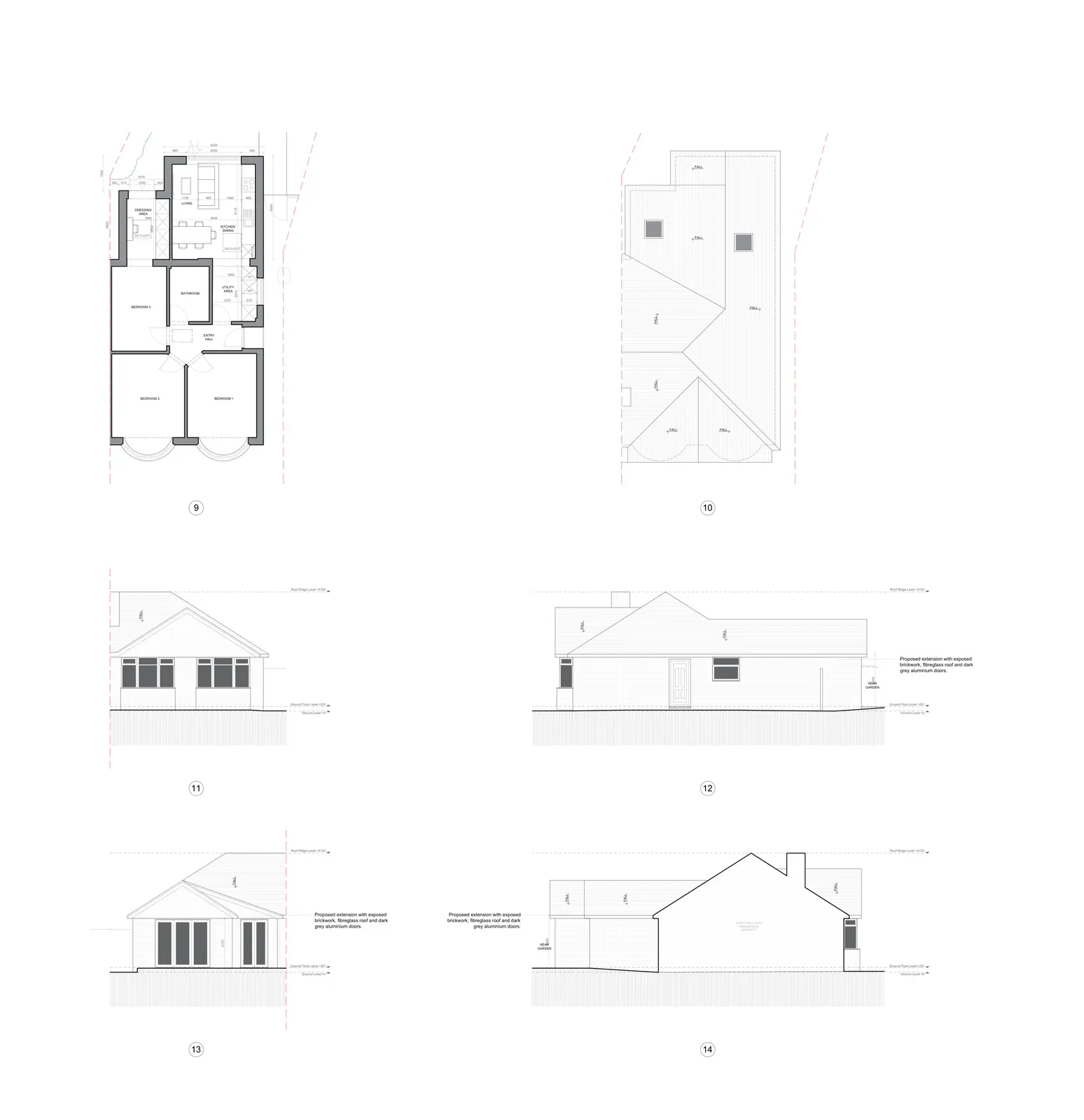
For a proposed certificate, that usually means drawings showing exactly what you plan to build, because GOV.UK says the use or works must be described precisely. For an existing certificate, the cost is mostly in gathering evidence: GOV.UK says the burden is on the applicant, and the evidence needs to be precise and unambiguous enough to justify a certificate on the balance of probability. Our guide to site location and block plans covers the plan the council expects.
Two further costs can sit outside the certificate altogether. GOV.UK points out that an LDC does not remove the need to comply with other legal requirements such as the Building Regulations, so building control is a separate cost. And some works need a separate licence from the highway authority, as the example below shows.
A real example: a dropped kerb and driveway in Aylesbury
In February 2025, Buckinghamshire Council granted a certificate for proposed development that we prepared for a dropped kerb and a new driveway in Aylesbury. The council confirmed the work was permitted development about five weeks after receiving the application, inside the 8 weeks the Planning Portal says councils should aim for once an application is validated.
Two points from that decision are worth knowing if you are pricing a similar job. The certificate depended on the new hard surface being porous, or draining to a permeable area. And the kerb works themselves still needed a separate licence from the highway authority. The certificate settled the planning question, but it was not the only consent needed before work could start.
Is a lawful development certificate worth the cost?
A certificate is optional: GOV.UK's guidance treats development that does not need planning permission as lawful, and anyone can apply for confirmation. A question we are often asked is whether £274 is worth paying when the work looks clearly within the rules. Our view is that it depends on how certain you are and what is at stake:
- If the design is close to a permitted development limit, or the house may have had its rights removed, a proposed certificate gives you the council's confirmation before you spend money on building.
- If you plan to sell, a certificate gives a buyer's solicitor a council document to rely on rather than your own view of the rules.
- If the work is already built and never had permission, an existing certificate depends on evidence, and our lawful development certificate guide explains the time limits that decide whether one can be granted.
GOV.UK also notes that a section 192 certificate is presumed lawful unless something material changes before work begins, so it makes sense to apply when you are close to starting rather than years ahead.
Frequently asked questions
How much is a lawful development certificate in 2026?
For a proposed extension or other alteration to a single house in England, £274. For existing work to a house, £548. For an existing use lawful despite breaching a condition, £309. Garden buildings and boundary works use the £272 category, so £136 proposed or £272 existing.
Is a lawful development certificate cheaper than planning permission?
A proposed certificate is half the planning application fee for the same work. A certificate for existing work costs the same as a planning application.
Can I get a refund if my LDC is refused?
GOV.UK says most planning fees cannot be refunded once paid. The fee is returned if the council never validates the application.
How long does a lawful development certificate take?
The Planning Portal says an application should be decided within 8 weeks of the council validating it.
Talk it through with us
If you are weighing up whether your project needs a certificate, a planning application or neither, book a free advice call and we will help you work out the right route before you pay any fees.